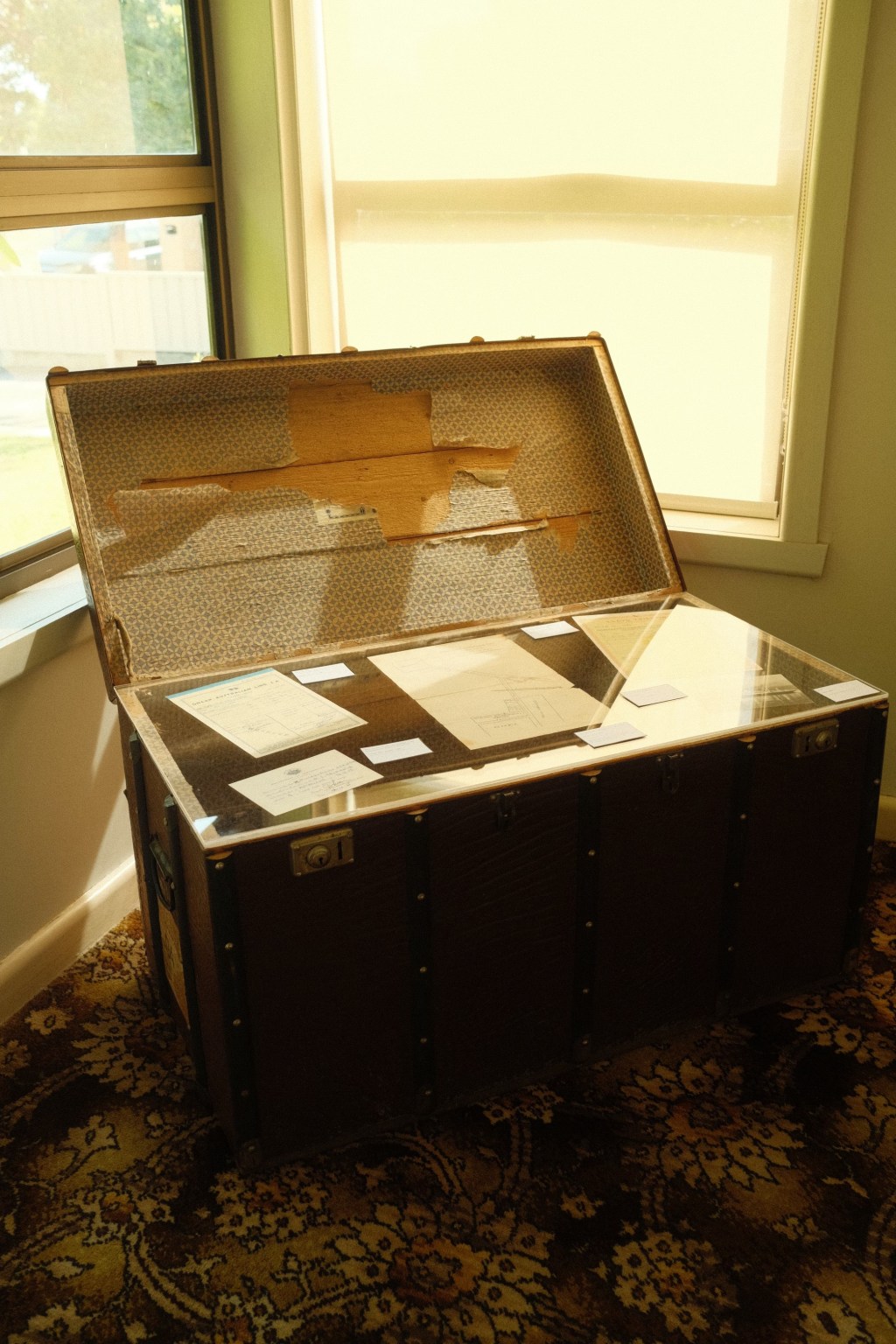
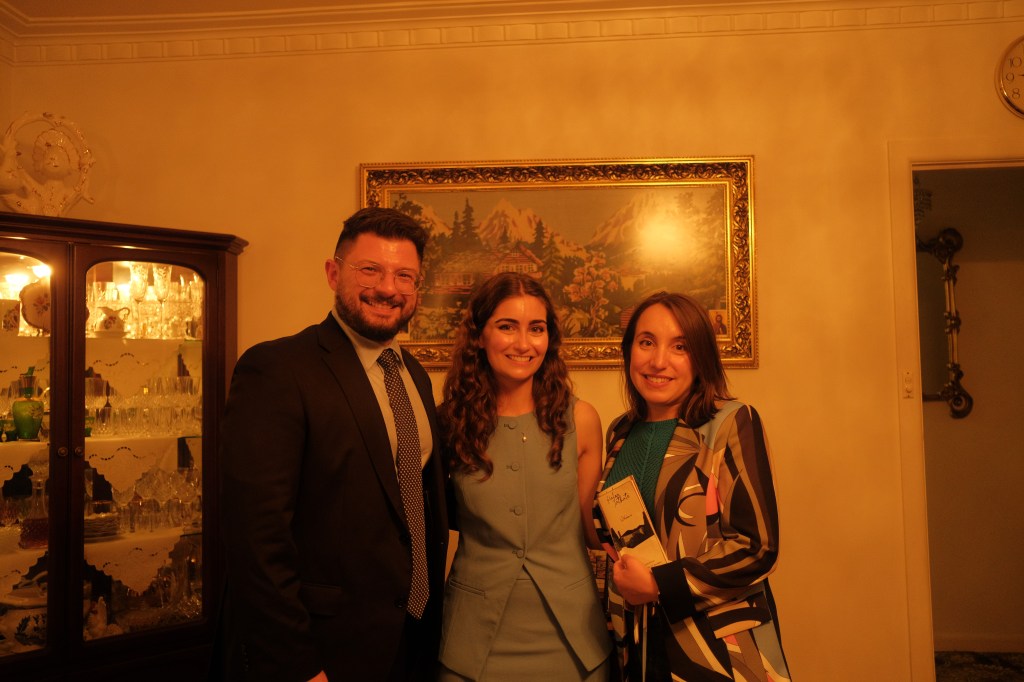
Last Friday, I had the privilege of attending the “Kalos Irthate” exhibition in Doncaster, a deeply moving and immersive experience that shed light on what migrant homes in Australia looked like during the 1950s and 1970s. Curated by three talented individuals—Christina Savopoulos, Jamie Gallos, and John Tzelepis—this exhibition offered more than just a historical snapshot; it brought to life the personal stories and experiences of migrant families, helping us understand the resilience, culture, and identity of those who contributed to shaping the Australia we know today.
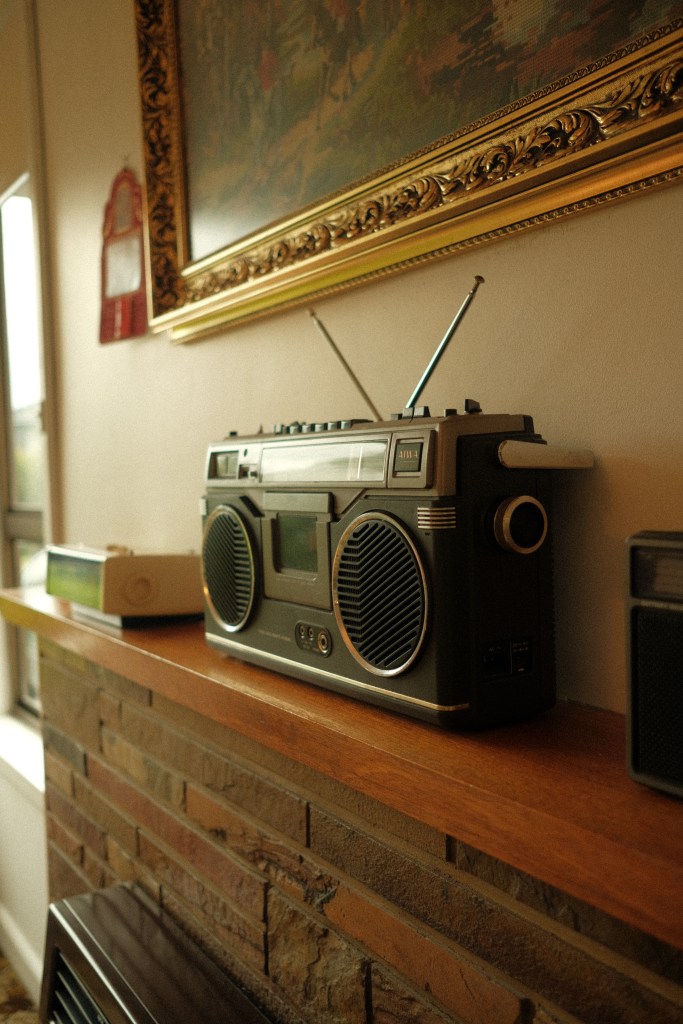
As I walked through the exhibition, I was struck by how the stories told were not just about the past; they were the stories of Christina, Jamie and John’s own families. By sharing these intimate narratives, they welcomed us all into their homes, offering a rare and heartfelt glimpse into the lives of their ancestors. It was a gesture of generosity that not only highlighted the struggles and triumphs of migrants but also allowed us to connect on a personal level with the people behind the history. The exhibition was aptly named “Kalos Irthate,” which means “Welcome” in Greek—an invitation to enter a world that was rich in cultural significance and shared humanity.
One of the most remarkable aspects of the exhibition was its ability to transport visitors back in time. Upon entering the recreated migrant house, I felt as though I had stepped into a time machine. Every item—from the household objects to the photographs and documents—contributed to a vivid picture of life in the 1950s and 1970s. It was not just a museum experience; it was as if I was living in that era, surrounded by the sights and sounds of another time. The exhibition allowed me to see how migrant families adapted to their new lives in Australia, building homes filled with memories, love, and resilience, despite the many challenges they faced.
Having taught Christina and Jamie in Year 12, I was fortunate enough to witness their passion for history and identity as they explored the topic of immigration to Australia in the classroom. It was surreal to see how that passion has evolved into this extraordinary exhibition. Their dedication to preserving and sharing their family’s stories has not only enriched their own lives but has also touched many others who had the privilege of experiencing it.
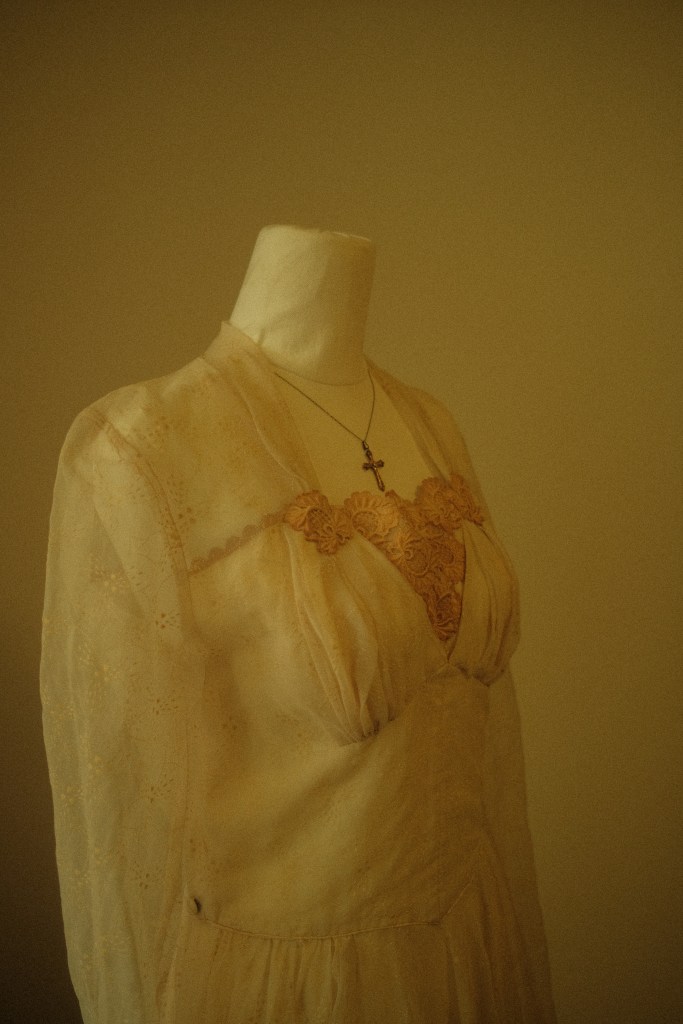
As an educator, there is nothing more rewarding than seeing former students carry their learning into the world and make a tangible impact. Christina, Jamie and John have done just that, and I could not be prouder of them. The “Kalos Irthate” exhibition is a testament to the power of education, community, and the preservation of cultural heritage. It was an experience that I will remember for years to come and one that has deepened my understanding of migration, identity, and the importance of welcoming others into our homes and our lives.
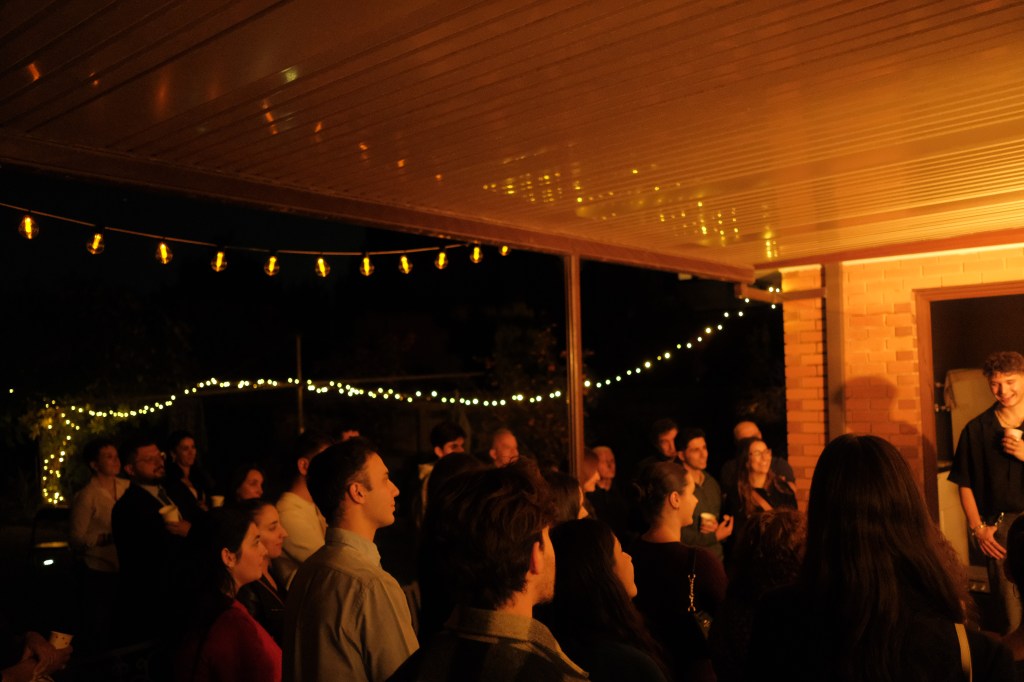
Congratulations to Christina, Jamie, and John for their incredible work in bringing this exhibition to life. It is a gift to the community and a beautiful reminder of the strength and resilience of migrant families in Australia.
 Kristian Raspa
Leave a comment